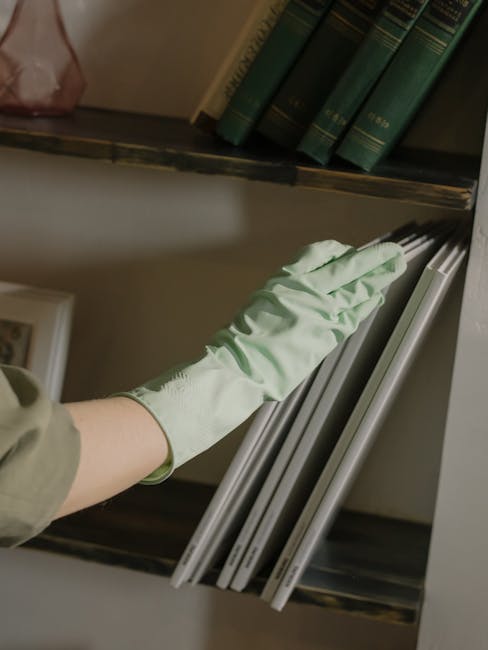
Common booking mistakes for Kennington cleaning customers
Booking a cleaner should feel straightforward, but in real life it often turns into a bit of a muddle. You compare prices, skim a few service pages, choose a time that seems convenient, and hope for the best. Then the day arrives and something is off: the job scope was vague, access wasn't arranged, the cleaner expected a different property condition, or the quote changed because a detail was missed. That is exactly why understanding the common booking mistakes for Kennington cleaning customers matters before you confirm anything.
Kennington homes and workplaces vary a lot, from compact flats and shared houses to busy offices and post-renovation spaces. The right booking approach depends on what needs cleaning, how urgently it needs doing, and what outcome you actually expect. In this guide, we'll walk through the mistakes people make most often, why they happen, and how to avoid them without turning the whole process into admin overload. It's simpler than it sounds, honestly.
If you want to understand the service options first, it can help to look at a few relevant pages such as domestic cleaning, deep cleaning, end of tenancy cleaning, or office cleaning. Those pages show how different cleaning needs are usually organised, which makes booking much less guessy.
Table of Contents
- Why these booking mistakes matter
- How the booking process usually works
- Key benefits of booking properly
- Who this is for and when it makes sense
- Step-by-step guidance to book well
- Expert tips for better results
- Common mistakes to avoid
- Tools, resources and recommendations
- Law, compliance, standards, and best practice
- Options and comparison table
- Case study example
- Practical checklist
- Conclusion
- Frequently asked questions
Why Common booking mistakes for Kennington cleaning customers Matters
A booking mistake rarely stays small. If the wrong service is chosen, the cleaner may arrive expecting one thing and find another. A "standard clean" is not the same as a one-off cleaning visit, and neither is the same as a full deep clean. That distinction affects time, price, equipment, and the final result.
In Kennington, where many properties have tight hallways, shared entrances, parking restrictions, or time-sensitive tenancy moves, a small mistake can snowball fast. If the team cannot park nearby, if building access is forgotten, or if the property is still full of furniture, the visit may take longer or need to be rescheduled. Nobody enjoys that awkward phone call on the morning of the appointment.
There is also a trust angle. Customers who book carefully tend to feel calmer and more satisfied because they know what they have agreed to. That matters whether you are arranging carpet cleaning, upholstery cleaning, window cleaning, or a broader home service. Clear bookings reduce surprises. Simple as that.
Expert summary: The best cleaning bookings are not the cheapest or the fastest to arrange; they are the ones that clearly match the property, the cleaning goal, and the practical realities of access, timing, and condition.
How Common booking mistakes for Kennington cleaning customers Works
The booking process usually looks easy from the outside: you ask for a quote, describe the job, choose a time, and confirm. But under the surface, there are several decision points where customers can get tripped up. Most issues come from one of three things: unclear communication, incomplete property details, or choosing a service before understanding what it really includes.
Here is the basic flow most customers go through:
- Identify the actual cleaning need.
- Check whether it is a routine clean, specialist clean, or urgent one-off job.
- Provide accurate details about rooms, surfaces, access, and condition.
- Ask what is included, what is excluded, and what may affect the final cost.
- Confirm timing, access, parking, and any preparation required.
- Review the terms before paying or approving the booking.
The mistake happens when a customer skips a step and assumes the rest will sort itself out. For example, someone might book oven cleaning expecting the whole kitchen to be tidied too, or book rug cleaning without mentioning fibre type, size, or any stubborn staining. The cleaner can only plan properly if the booking details are accurate.
A decent booking should always tell the cleaner enough to prepare the right equipment, allow enough time, and quote fairly. That is what turns a basic appointment into a smooth, no-fuss visit.
Key Benefits and Practical Advantages
Booking correctly gives you more than a tidy room or fresh flooring. It also improves the whole experience around the job.
- More accurate quotes: When the property details are clear, pricing is easier to match to the real task.
- Better cleaning outcomes: The team can bring the right tools, products, and time allowance.
- Fewer delays: Access issues, parking surprises, and missing information are less likely.
- Less stress: You know what is coming, what is included, and what needs to be ready.
- Better value: A correctly booked clean often saves money in the long run by avoiding repeat visits.
There is a practical benefit too: you can compare services more honestly. A quote for house cleaning cannot really be judged against a specialist quote for after builders cleaning. Different jobs, different expectations, different tools. Once you understand that, pricing makes a lot more sense.
And to be fair, customers usually feel more confident when they are not guessing. You are not just buying "a clean"; you are booking a specific result. That subtle shift makes the whole process easier.
Who This Is For and When It Makes Sense
This guide is useful for just about anyone booking cleaning in Kennington, but it is especially relevant if you are:
- moving out and need an end of tenancy clean
- getting a property ready for guests, tenants, or a viewing
- ordering a one-time refresh after a busy period
- preparing a home after decorating or minor renovation work
- trying to book regular help and want to avoid repeat issues
- managing an office or shared workspace with limited access windows
It also makes sense if you are unsure which type of cleaning you actually need. That is more common than people admit. Someone says "I need a cleaner," but what they really need might be domestic cleaning, a deep clean, or a targeted service like sofa cleaning. Naming the job properly is half the battle.
If your property has lots of mixed surfaces or specialist items, it is worth checking relevant service pages in advance, such as hard floor cleaning or carpet cleaning. That avoids the classic "I thought that was included" moment. We have all seen that one.
Step-by-Step Guidance
Here is a sensible way to book cleaning without creating avoidable problems.
1. Define the job properly
Start with the outcome you want. Do you want the place to look better, smell fresher, pass an inspection, or recover from renovation dust? Each goal points to a different service. If you are not sure, write down the rooms, surfaces, and problem areas first. It sounds simple, because it is.
2. Be honest about condition
Do not underplay the mess to get a lower quote. It rarely helps. A cleaner arriving to find pet hair everywhere, heavy limescale, or paint dust in corners will need more time and possibly different products. Accurate condition details lead to realistic pricing and better planning.
3. Mention access clearly
Tell the provider about keys, entry codes, concierge desks, parking limits, lifts, floor number, and any restrictions. In Kennington, access details matter more than many customers expect. A five-minute clarification can save a twenty-minute delay.
4. Confirm what is included
Ask what the service covers room by room if needed. For example, does the booking include skirting boards, inside appliances, or just visible surfaces? If you need a specialist job such as oven cleaner support, say so early. A good booking should leave no major assumptions hanging around.
5. Check timing and preparation
Some jobs need the property to be clear beforehand. Others work better when furniture has been moved or pets are out of the way. If you are arranging window cleaning or carpets cleaner support, make sure the work area is ready and safe to access.
6. Review terms before confirming
Read the basics: cancellations, payment timing, what happens if the job changes, and whether there are any safety or access conditions. If you want to understand service expectations more broadly, the site's terms and conditions and pricing and quotes pages are useful reference points.
7. Keep a short written summary
After the booking, keep the essentials in one place: date, time, services, access notes, and agreed price or estimate. It may sound a bit old-school, but it helps. A message thread is fine, as long as it is easy to find when you need it.
Expert Tips for Better Results
Here are the practical habits that tend to make a real difference.
- Use room-by-room detail. "Three-bed flat" is not enough if one bedroom is mostly storage and the kitchen has greasy extractor issues.
- Separate routine cleaning from problem cleaning. Regular upkeep and stain removal are not the same job.
- Ask about specialist surfaces. Upholstery, natural stone, delicate fabrics, and hard floors often need different treatment.
- Be clear about urgency. If you need the clean before a landlord visit or event, say so early.
- Think about the finish you want. Fresh and tidy is different from detailed, move-out ready, or inspection-level clean.
- Make parking and access someone's job. If you are busy, ask a flatmate, porter, or neighbour to help with entry. Small thing, big relief.
A useful rule of thumb is this: if the cleaner has to guess, the booking is not ready yet. That is especially true for mixed jobs such as house cleaning plus carpet care or office cleaners plus window work. Better to over-explain once than fix misunderstandings later.
Also, try not to book purely by the cheapest headline price. Cheap can be fine, of course, but only if the scope is truly comparable. Otherwise you are not comparing the same thing, and that is where people get caught out.
Common Mistakes to Avoid
Here are the booking mistakes we see most often, and why they create headaches.
1. Choosing the wrong service type
One of the most common errors is booking a general clean when the property actually needs specialist work. A property after decorating, for example, may need after builders cleaning, not just a standard tidy-up. Likewise, a tenancy move may require a specific end-of-lease approach.
2. Leaving out important details
Customers sometimes forget to mention pets, stubborn stains, smoke residue, water marks, or heavy limescale. Those details matter because they affect time and product choice. A quick chat or fuller form is better than "we'll see on the day."
3. Assuming everything is included
Do not assume inside fridge, oven, cupboards, or upholstery are part of a general booking. If you need oven cleaning or upholstery cleaning, ask explicitly. It avoids disappointment.
4. Forgetting access and parking
This one causes more delay than people expect. Central London parking, timed bays, entry phones, and lift access can all change how a visit runs. It sounds mundane, but it matters a lot.
5. Booking too late
Last-minute booking is not always a disaster, but it reduces your options. If you need a specific time or a larger team, leaving it until the day before can be risky.
6. Not checking the terms
If you do not know the cancellation rules, payment terms, or rescheduling policy, you may get an unpleasant surprise. Not dramatic, just annoying. Which is bad enough.
7. Expecting one visit to solve everything
Some jobs genuinely need more than one stage. Deep stain removal, post-renovation dust, and heavily used upholstery can need a more careful plan. Rushing the process often gives a weaker finish.
8. Comparing quotes without comparing scope
A low quote may simply include less. When you compare prices, compare the exact work, not just the total. That is the difference between a good deal and a confusing one.
Tools, Resources and Recommendations
You do not need a special app or fancy spreadsheet to book cleaning well. A few simple tools are usually enough.
- Notes app or checklist: Keep room sizes, stain issues, and access notes in one place.
- Photos on your phone: A few clear pictures can help describe the job properly.
- Property details: Floor number, lift access, parking restrictions, and entry instructions.
- Service pages: Check the relevant service pages before booking, such as home cleaners, cleaners, or cleaning company information.
- Policy pages: For confidence around data, payment, and expectations, pages like privacy policy and payment and security are worth a look.
If you are dealing with a tricky property or a service that feels a bit unusual, it is often worth reading the company's background too. The about us page can help you understand who you are dealing with, while insurance and safety gives reassurance around the practical side of the work.
For customers concerned about responsible service standards, the recycling and sustainability page is also a useful signal that operations are being thought about beyond the immediate appointment.
Law, Compliance, Standards, and Best Practice
Cleaning bookings are not usually complicated from a legal point of view, but there are still sensible standards to respect. In the UK, customers and providers generally benefit from clear communication, fair trading, safe access, and clear payment expectations. The practical side matters more than the legal jargon, truth be told.
Best practice usually means:
- describing the job accurately
- being clear about access and any hazards
- agreeing the scope before work begins
- following sensible safety procedures in the home or workplace
- protecting personal information when bookings are taken online or by message
- understanding cancellation and payment terms before confirming
For workplace bookings, there is often an extra need to think about access arrangements, staff presence, and health and safety. A cleaner entering an office during working hours may need a different plan from one cleaning after close. If you are arranging office cleaning, it is worth being especially clear about timing, keys, alarms, and areas that must stay untouched.
For homes, common-sense safety is often the deciding factor: clear floors, secure pets, no loose cables in the work area, and enough ventilation when products are used. Most of this is just good housekeeping, but it makes the appointment smoother and safer for everyone involved.
Options, Methods, or Comparison Table
Sometimes the booking problem is simply that customers are trying to choose between the wrong options. Here is a quick comparison to help.
| Booking option | Best for | Common mistake | What to confirm |
|---|---|---|---|
| Regular domestic cleaning | Ongoing upkeep, weekly or fortnightly visits | Expecting deep stain removal without asking for it | Frequency, rooms included, special tasks |
| Deep cleaning | Detailed reset, neglected areas, thorough refresh | Assuming it is the same as a standard clean | What is included in detail, time allowed |
| End of tenancy cleaning | Move-out or handover preparation | Leaving it too vague for landlord or letting-agent expectations | Inventory-related priorities, access, deadlines |
| Specialist cleaning | Carpets, sofas, ovens, windows, floors | Mixing specialist work into a general booking | Surface type, staining, size, condition |
| One-off cleaning | Single appointment for a specific need | Expecting it to cover every possible task | Priority areas, optional extras, timing |
That table sounds basic, but it helps a lot. Many booking mistakes happen because customers assume all cleaning works the same way. It does not. A carpet job and a kitchen job are very different animals.
Case Study or Real-World Example
Here is a realistic example from a typical Kennington booking situation.
A tenant in a flat near the station wants the property cleaned before check-out. They ask for a "full clean" and choose the earliest slot. On the day, the cleaner arrives to find the oven untouched, the inside of the fridge still full, and a couple of carpets with visible marks that were never mentioned. The tenant also forgot to say that access is through a locked communal entrance after 8 a.m.
What happens next? The visit becomes slower, the scope is unclear, and everyone feels slightly stressed. Nothing catastrophic. Just one of those mornings.
If the same customer had been more specific, the booking might have gone like this: end of tenancy cleaning with oven cleaning added, carpets mentioned separately, access details confirmed, and furniture or waste removed in advance. That would have made the quote more accurate and the day much easier.
Now compare that with a small office booking. The manager wants office cleaners for an after-hours clean. They confirm the number of rooms, the alarm code process, and which desks must stay untouched. The clean runs smoothly because the booking was detailed, not because the job itself was easy.
That is the real lesson. Good booking preparation does not remove the work. It removes the uncertainty.
Practical Checklist
Use this checklist before confirming your cleaning booking in Kennington.
- Have I chosen the right service type?
- Did I describe the property honestly and in enough detail?
- Have I mentioned stains, damage, pets, or unusual surfaces?
- Did I check what is included and what is excluded?
- Have I confirmed access, parking, keys, and entry instructions?
- Do I know the date, time, and expected duration?
- Have I checked payment terms and cancellation rules?
- Have I asked about any preparation needed before the visit?
- Have I kept a written record of the booking details?
- Do I understand whether this is a routine, deep, or specialist clean?
If you can tick most of those off, you are already ahead of many customers. Not perfect. But well ahead.
Get a free quote today and see how much you can save.
Conclusion
Most booking problems are avoidable. The key is not to be fussy for the sake of it, but to be specific enough that the right service can actually be delivered. When Kennington customers take a few minutes to define the job, confirm access, and understand what is included, the results are usually better and the experience is calmer.
That applies whether you are booking a flat refresh, a landlord handover clean, or specialist support for carpets, upholstery, or windows. The smoother the booking, the less room there is for surprise, and the more likely the end result is what you hoped for in the first place.
And honestly, that little bit of care before the appointment often makes the biggest difference. A good clean starts before the cleaner arrives.
Frequently Asked Questions
What are the most common booking mistakes for Kennington cleaning customers?
The biggest mistakes are choosing the wrong service, leaving out important property details, forgetting access or parking issues, and assuming extra tasks are included. Those are the ones that tend to cause delays or surprise costs.
How do I know whether I need deep cleaning or standard domestic cleaning?
If the property needs a more detailed reset, has built-up grime, or has been neglected for a while, deep cleaning is often more suitable. If you just need regular upkeep, domestic cleaning is usually the better fit.
Should I mention stains and damage when booking?
Yes. Mentioning stains, wear, pet issues, smoke residue, or damage helps the cleaner prepare properly and gives you a more realistic quote. It is better to be upfront than to create awkward surprises on the day.
Why does access matter so much for cleaning bookings?
Access affects timing, parking, safety, and whether the job can start on time. In Kennington, where entry systems and parking restrictions can be part of everyday life, this is especially important.
Can I book carpet cleaning as part of a general clean?
You can ask, but it is better to treat it as a separate specialist task so the cleaner can bring the right equipment and allow enough time. For many jobs, carpet cleaning needs its own booking detail.
What should I check before confirming the price?
Check what is included, how long the visit should take, whether specialist items are covered, and whether extra charges may apply for heavy dirt or difficult access. The pricing and quotes page is a useful place to start.
Do cleaning bookings need to be written down?
It is strongly recommended. A message thread or written summary helps avoid confusion later. Keep the service type, date, time, access notes, and any agreed scope in one place.
What if I am not sure which service I need?
Start by describing the problem and the result you want. Then compare service pages such as house cleaning, one-off cleaning, or end of tenancy cleaning. If the job is still unclear, ask for guidance before booking.
Is it a mistake to book based only on the cheapest quote?
Yes, if you are not comparing the same scope of work. A cheaper quote may exclude tasks that another quote includes. Always compare like with like, otherwise the numbers can be misleading.
What preparation should I do before the cleaner arrives?
Make sure access is ready, clutter is reduced where possible, pets are secure, and any fragile or personal items are moved out of the way. For specialist work such as oven cleaning or window cleaning, check whether any specific prep is needed first.
Why do tenancy cleans cause so many booking mistakes?
Because people often assume "move-out clean" means the same thing to everyone. In reality, tenancy cleans need clearer detail about appliances, carpets, cupboards, deadlines, and access. A more specific booking usually avoids headaches.
How can I make my cleaning booking go more smoothly next time?
Be specific, honest, and a little methodical. Confirm the service, the scope, the access, and the timing. It does not take long, and it usually saves more time than it costs.
If you are comparing providers or trying to understand what kind of support suits your property best, the most useful next step is simply to ask the right questions early. A careful booking now tends to feel like a relief later, and that is worth quite a lot.